
The History of Mind in Bexley
The fourth decade (2016–2025)
Infrastructure, crisis, civic leadership, and the consolidation of community mental health care
By 2016, Mind in Bexley entered a fourth decade marked by accelerated growth, increased system responsibility, and major social change. National mental health policy increasingly acknowledged the limits of clinical services alone, as rising demand, workforce pressures, and widening inequalities placed unprecedented strain on statutory provision. The NHS Long Term Plan, the Community Mental Health Transformation Programme, and the development of Integrated Care Systems foregrounded prevention, place-based care, partnership, and lived experience. Against this backdrop, Mind in Bexley evolved from a well-established local charity into a major regional organisation with physical infrastructure, strategic influence, and civic recognition.
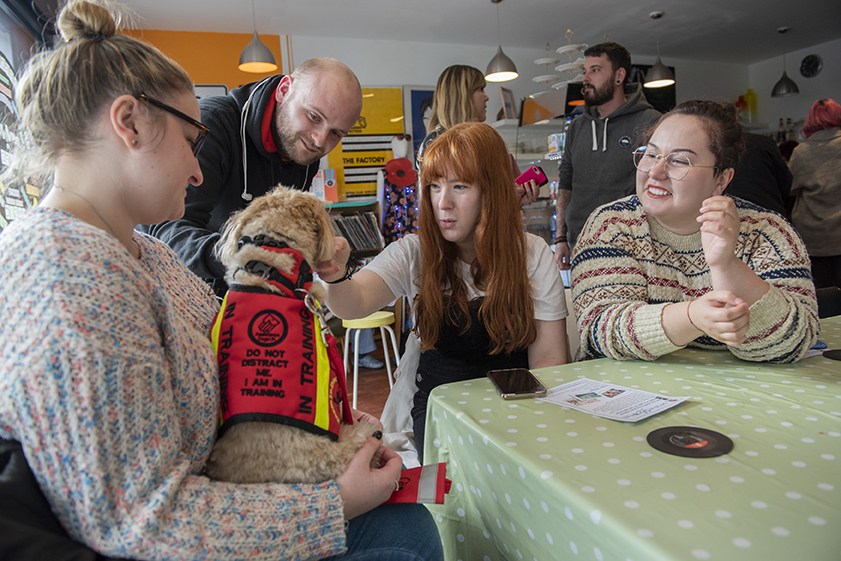
The opening of Revival in 2016 represented a defining moment at the start of this decade. Conceived as a social enterprise community café and wellbeing hub, Revival embodied learning from three decades of practice: that mental health support is relational, cultural, and embedded in everyday life. Revival provided a non-clinical, stigma-free space with no referral thresholds, combining food, music, creativity, volunteering, and peer support. Over time, it became a central site of preventative care, reducing isolation, supporting recovery, and creating pathways into wider services including Talking Therapies, Recovery College provision, Welfare Rights, and Carers support.eyheath and transformed it into a purpose-built mental health and wellbeing building. This investment represented a major organisational milestone: moving from rented and shared premises to owning and designing a space shaped explicitly around accessibility, dignity, trauma-informed design, and community use. The building enabled the co-location of services, group work, peer activity, and crisis-adjacent support, strengthening continuity of care and visibility within the borough.
Alongside service innovation, this decade marked a decisive shift towards permanent, purpose-built community infrastructure. Mind in Bexley purchased a disused women’s gym in Bexleyheath and transformed it into a purpose-built mental health and wellbeing building. This investment represented a major organisational milestone: moving from rented and shared premises to owning and designing a space shaped explicitly around accessibility, dignity, trauma-informed design, and community use. The building enabled the co-location of services, group work, peer activity, and crisis-adjacent support, strengthening continuity of care and visibility within the borough.
As crisis demand intensified nationally, Mind in Bexley expanded its role in urgent and out-of-hours mental health care. Working in partnership with the NHS, local authorities, and commissioners, the organisation developed and delivered community-led Crisis Cafes, providing calm, welcoming alternatives to Accident and Emergency departments. These services prioritised listening, safety, and de-escalation at moments of acute distress. By the early 2020s, Crisis Cafe provision had become a core part of local suicide prevention and urgent care pathways, consistently demonstrating reduced A&E attendance and high levels of user satisfaction.
Core NHS services expanded significantly during this decade. Talking Therapies grew into a large-scale, high-performing service consistently meeting and exceeding national recovery and improvement benchmarks. By 2024–25, the service secured a five-year direct award from the South East London Integrated Care Board, the first of its kind in Bexley, recognising quality, stability, and strategic alignment. Integrated employment support, perinatal mental health provision, and guided self-help widened access and addressed the social determinants of recovery.
Recovery and Community Services also expanded, aligning with Recovery College principles and the Community Mental Health Transformation agenda. Thousands of residents engaged annually in psychoeducational courses, peer-led groups, physical activity, creative programmes, and digital support. The model emphasised continuity rather than discharge, allowing people to move flexibly between forms of support as needs changed.
Carers in Mind grew into a substantial specialist service during this decade, supporting hundreds of unpaid carers each year. The service combined emotional support, psychoeducation, rights-based advice, and peer solidarity, responding to the often invisible burden of caring for people with mental health difficulties. Carers’ voices increasingly shaped service design, evaluation, and governance, reinforcing the organisation’s commitment to lived experience leadership.
Welfare Rights, money management, and food security work expanded further in response to austerity, welfare reform, and the cost-of-living crisis. By the mid-2020s, these services were securing hundreds of thousands of pounds annually in additional income for people with severe mental illness, preventing crises linked to debt, housing insecurity, and benefit sanctions. Community Pantries were introduced to address food insecurity with dignity and connection rather than charity.
The Covid-19 pandemic
Lockdowns, bereavement, economic insecurity, and social isolation
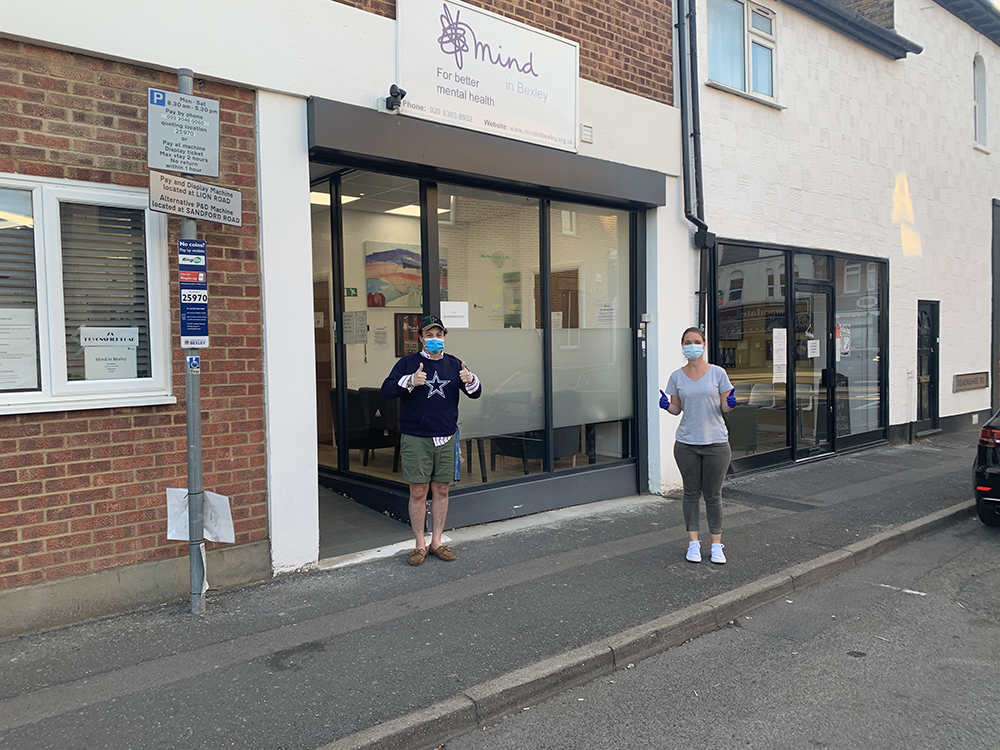
The Covid-19 pandemic from 2020 represented a profound rupture. Lockdowns, bereavement, economic insecurity, and social isolation intensified mental health need while disrupting service delivery. Mind in Bexley responded rapidly, adapting services to remote delivery, expanding welfare advice, maintaining crisis provision, and repurposing Revival as a hub for food distribution, mutual aid, and community contact. The pandemic reinforced long-held organisational learning: that trust, familiarity, and community presence are essential during collective crisis.
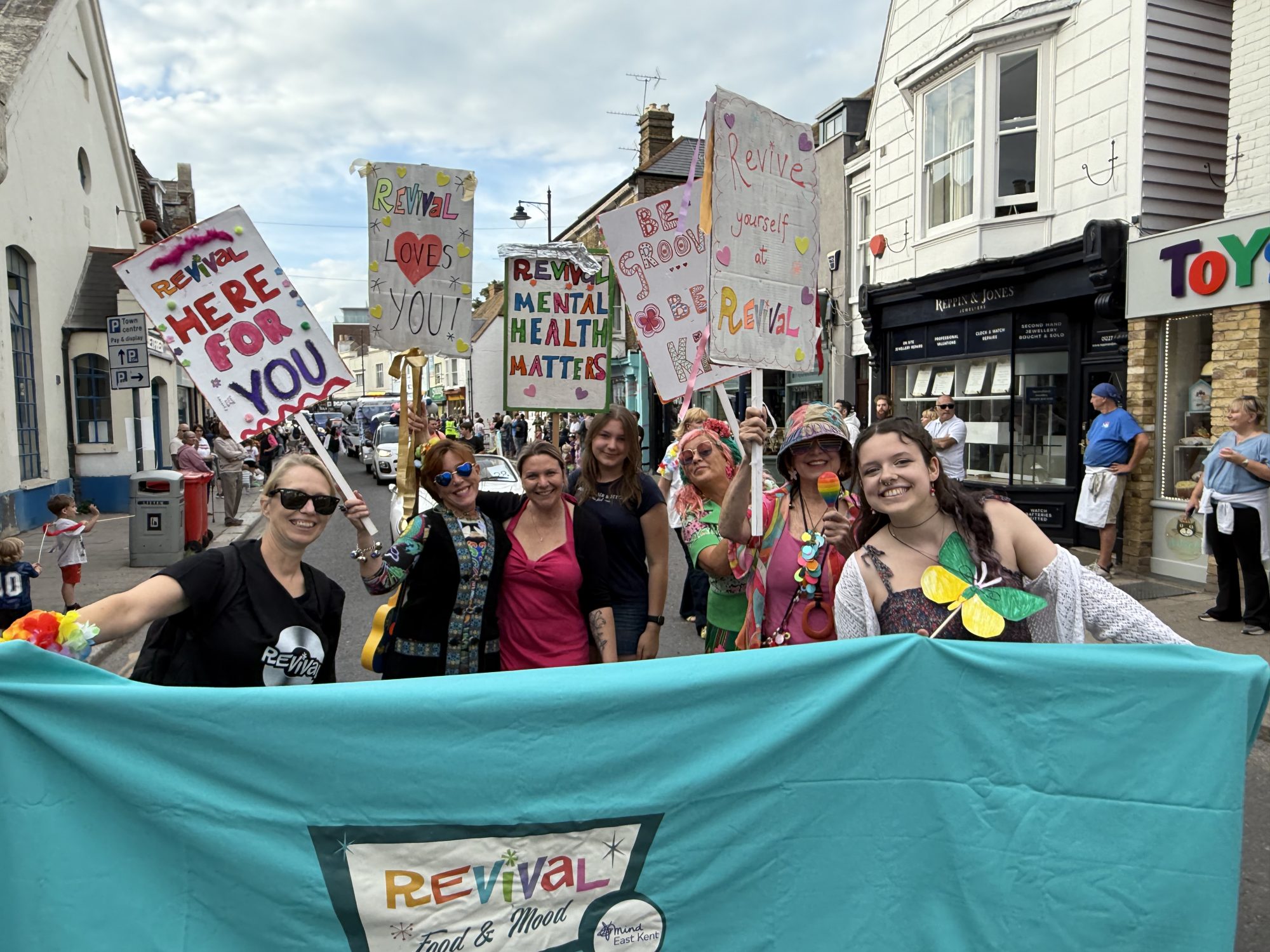
This decade also marked geographical expansion and asset growth beyond Bexley. In 2023, Mind in Bexley and East Kent purchased a disused building in Whitstable to house Revival East Kent. Supported by a government grant for refurbishment, the building was transformed into a community wellbeing and cultural space rooted in the same principles as Revival Bexley: non-clinical access, creativity, volunteering, and belonging. This investment demonstrated confidence in long-term place-based models and represented a significant step in regional development.
Leadership and system influence deepened throughout this period. The organisation’s Chief Executive was successfully appointed as Clinical Care Professional Lead for Mental Health, one of very few voluntary sector representatives to hold such a role. This appointment signalled a shift in how community organisations were recognised within clinical and strategic decision-making, bringing lived experience, prevention, and relational care perspectives directly into system leadership.
Civic recognition
Mind in Bexley Chief Executive honoured with a Civic Award
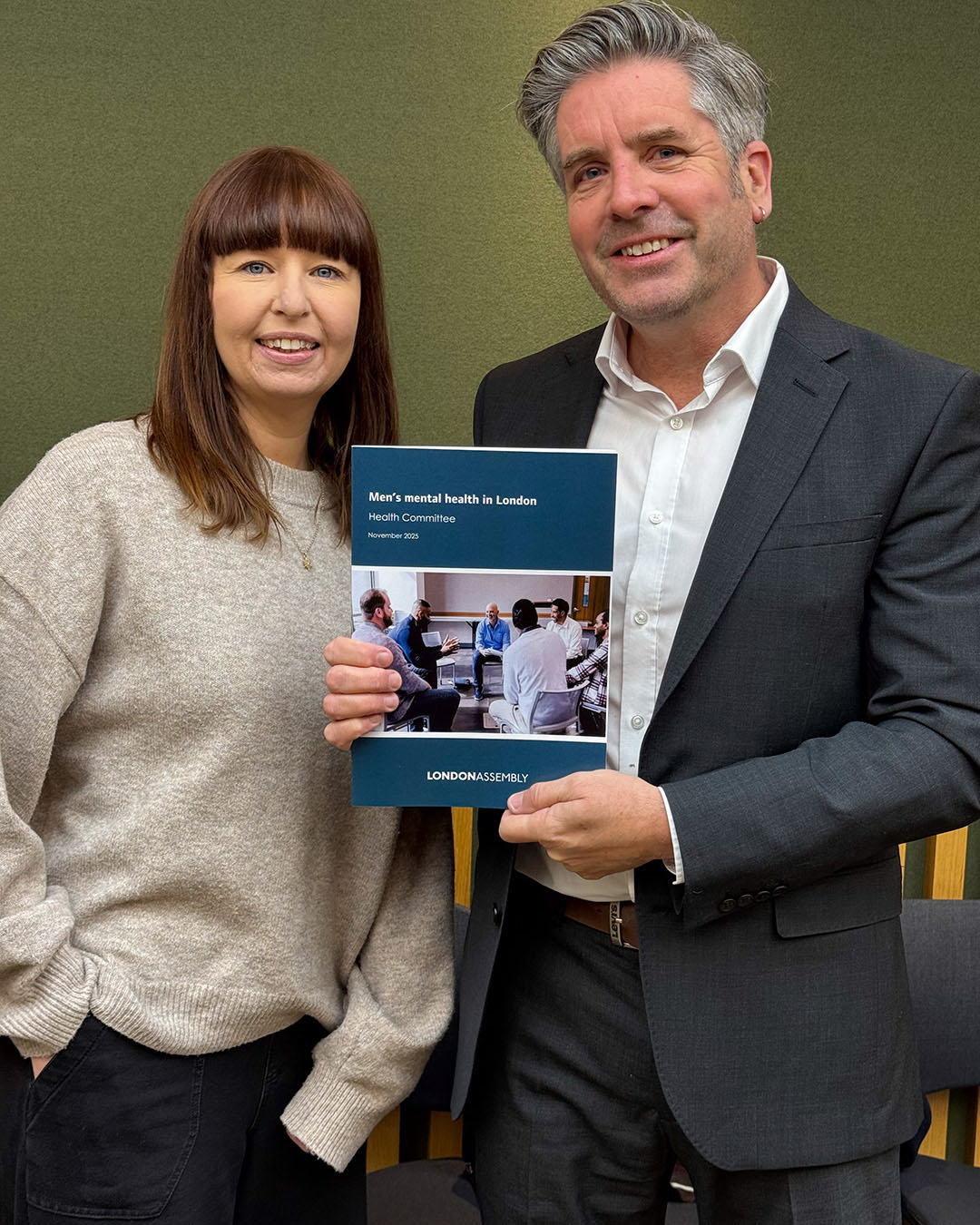
Civic recognition followed. In 2025, the Chief Executive was honoured with a London Borough of Bexley Civic Award for outstanding contribution to the Bexley voluntary and community sector. This award reflected not only individual leadership but the wider impact of Mind in Bexley as a trusted, values-driven anchor organisation within the borough.
Governance, research, and evaluation were further strengthened during this decade. Lived experience was embedded across strategy, service design, and quality assurance. Mind in Bexley and East Kent were recognised by National Mind as Research and Monitoring Organisation of the Year, reflecting their growing contribution to evidence-led practice, evaluation, academic publications and learning across the federation.
By 2025, the organisation operated with a multi-million-pound turnover, a workforce of over 150 staff, and a substantial volunteer base. It delivered services to thousands of people annually across therapy, crisis care, suicide bereavement support, recovery, carers services, welfare rights, digital inclusion, and social enterprise. Despite its scale, Mind in Bexley retained its foundational ethos: that mental health support must remain human, relational, and rooted in place.
The fourth decade therefore represents a period of consolidation, confidence, and civic maturity. Through investment in buildings, crisis infrastructure, leadership, and regional partnership, Mind in Bexley helped reshape community mental health provision at a time of sustained system pressure. These years did not mark an endpoint, but a transition into a new role: as a stable, trusted part of the social and mental health infrastructure of Bexley, East Kent, and beyond.