
Celebrating 40 years of supporting the local community
The History of Mind in Bexley
The First decades (1986–2026):
Care in the Community, Collective Action, and the Foundations of Peer Support, National Mind affiliation.
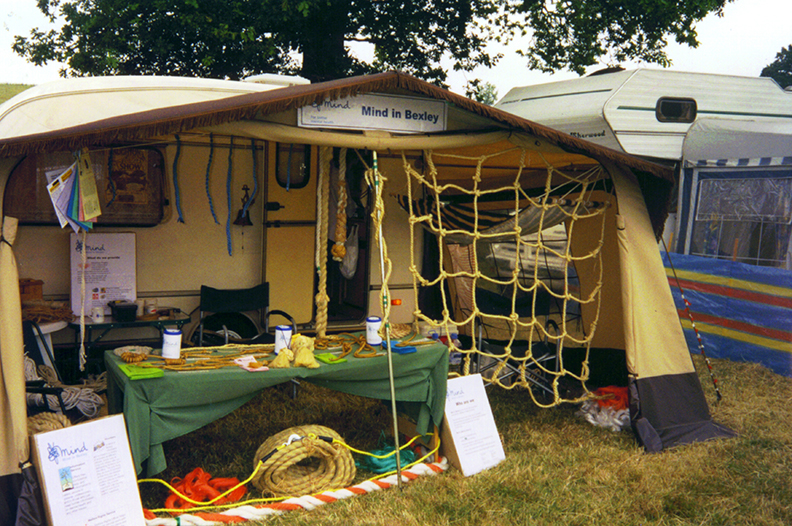
The origins of Mind in Bexley predate its formal establishment and are closely tied to wider local concern about the adequacy and coordination of mental health provision in the borough. In 1984, Bexley Voluntary Service Council’s Mental Health Committee resolved to produce a Guide to Good Practice in Mental Health in Bexley. Over the following year, more than thirty statutory and voluntary agencies were visited, and detailed reports of their services were compiled. When the Guide was published in November 1985, a consistent message emerged: despite the number of organisations involved, Bexley lacked a dedicated local Mind group that could coordinate support, amplify service user voices, and address gaps in provision.
As a result, a Steering Committee was formed, and Mind in Bexley was officially launched in March 1986 and registered as a charity the same month. From the outset, it was affiliated to National Mind, operating as an independent local charity within the wider Mind federation. This affiliation placed Mind in Bexley within a national movement that combined campaigning, service user involvement, and critique of statutory mental health provision, while retaining full autonomy over local priorities, governance, and service design.
The organisation emerged during a period of major national policy transition. Following the Mental Health Act 1983, the implementation of Care in the Community accelerated throughout the late 1980s and early 1990s. While the policy aimed to move people away from long-stay psychiatric hospitals and into community settings, National Mind repeatedly warned that insufficient investment in community infrastructure risked leaving people isolated and unsupported. Mind in Bexley’s early development can be understood as a direct response to this gap, translating national policy change into practical, local forms of support.
During its first three years, Mind in Bexley had no paid staff, yet significant progress was made. A limited information, advice, and counselling service was established; two relaxation courses were organised; and in 1987–88 a nine-month research project into the mental health needs of Bexley residents was undertaken by a research worker funded through the Community Programme. The findings of this research made clear that demand for community-based mental health support was growing and that further development would require secure funding.
In 1987, Mind in Bexley volunteers established the Heather Club at Bexley Hospital, running it until the hospital’s closure. The club provided a social and relational space within an institutional setting, offering continuity, dignity, and human connection at a time when hospitals were under pressure and increasingly criticised. It exemplified the organisation’s role as a bridge between hospital and community, closely aligned with National Mind’s concerns about the consequences of deinstitutionalisation without adequate local support.
In October 1988, Mind in Bexley held a successful one-day seminar titled Mental Health Services in Multi-racial Bexley, reflecting early awareness of inequality, access, and the cultural dimensions of mental health. Around the same period, the first edition of the Guide to Mental Health Services in Bexley was produced, responding to widespread confusion about how to navigate services during a period of rapid system change.
The early ninties
A critical turning point.
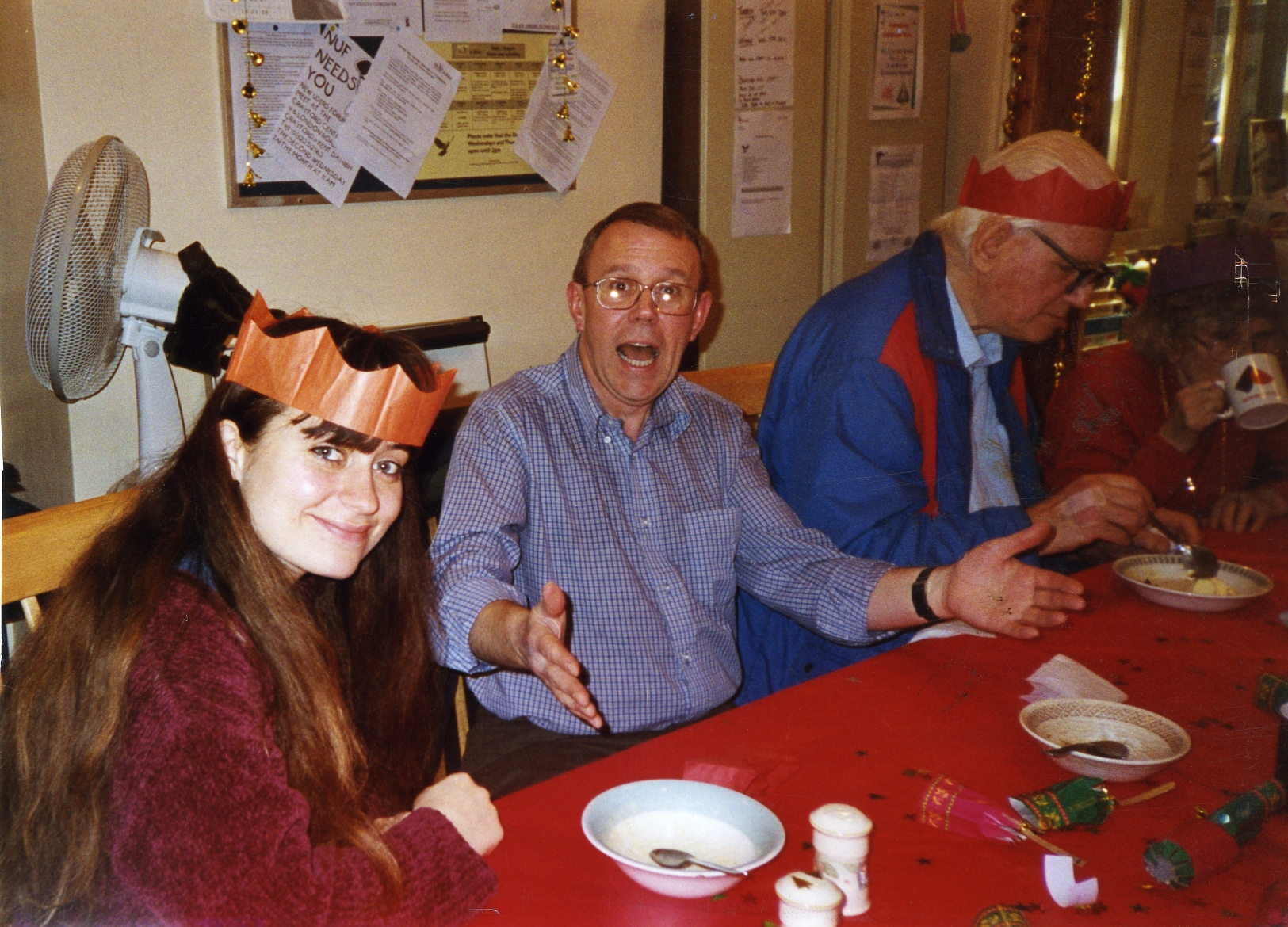
The need to act on the findings of the earlier research led to a critical turning point. With the support of a grant from the City Parochial Foundation and funding from Bexley Care Trust Joint Finance, Mind in Bexley recruited its first paid staff in August 1989: a full-time Development Officer and a part-time Administrative Assistant. As funding increased at the end of the first year, a part-time Project Development Officer, Maggie Kember, joined the staff team in August 1990.
Jane Beaman, Mind in Bexley’s first part-time Administrative Assistant, wrote in March 1990 about her early experience of the role. She recalled arriving at the Crayford Centre in August 1989 to find “a bare room full of cardboard boxes containing the office furniture and the Mind in Bexley files.” She described setting up filing systems, compiling directories of local and national agencies, building a reference library, running the helpline, and taking responsibility for a weekly Thursday drop-in. Her account illustrates the practical labour involved in building a community organisation from scratch during this period.
Annie Smith, the organisation’s first full-time Development Officer, also reflected in March 1990 on the rapid development of services. By that point, two groups had been established in conjunction with social workers: the Tranquilliser Withdrawal Support Group and the Carers Support Group, both of which celebrated their first anniversaries in July 1990. These groups addressed issues that were gaining national attention but remained poorly supported in statutory services, and they embodied early forms of peer support long before the term became commonplace.
Annie also described the success of relaxation courses and the central role played by volunteers, including Linda Le-Tour, whose enthusiasm and commitment exemplified the volunteer culture that underpinned the organisation’s work. Drop-ins and coffee shops were established across the borough, meeting weekly in Thamesmead, Crayford, and at Footscray Baptist Church in Sidcup. These spaces were designed for people to
“call in and discuss any problems they may have”
and were deliberately informal, accessible, and welcoming. One of the attractions of the Bexleyheath drop-in at Geddes Place, Annie noted, was its jumble and bric-a-brac stalls, alongside cheese rolls, sausage rolls, scones, and rock cakes served with tea or coffee. These details capture how care was embedded in everyday social life rather than clinical settings.
In later reflections, Maggie Kember recalled that Mind in Bexley’s creation was driven by
“the tireless effort of a group of determined women,”
led by Brenda Clayton from BVSC and Rita Ashby from Social Services. She described the early staffing arrangements, the cramped office at the Crayford Centre, and the reliance on a small group of around eight volunteers who supported drop-ins by making teas, chatting, playing games, and running art activities. Maggie’s account highlights the collective, relational nature of the organisation’s early work.
Supported by the mental health social work team, Mind in Bexley also ran a structured Tranquilliser Withdrawal Group, negotiating individual plans and offering monthly peer support. The Family Support Group provided an open space for families, particularly those supporting young people with mental health diagnoses, to access information and share experience. Maggie noted that many friendships were formed, with members supporting one another beyond the group itself.
As Mind in Bexley continued to develop, it became clear that remaining in shared premises limited its ability to grow. Maggie described working with the committee to develop a funding bid that incorporated both existing work and the costs of securing independent premises. After a prolonged and uncertain search, she spotted a “To Let” sign at 283 Broadway while travelling on a bus. Although initially unsuccessful, the opportunity later became available, and after negotiating the lease, staff moved in. Maggie recalled sitting in the new space on the first day, surrounded by emptiness, wondering whether it could ever be filled.
Move to 283 Broadway
The building became a community hub
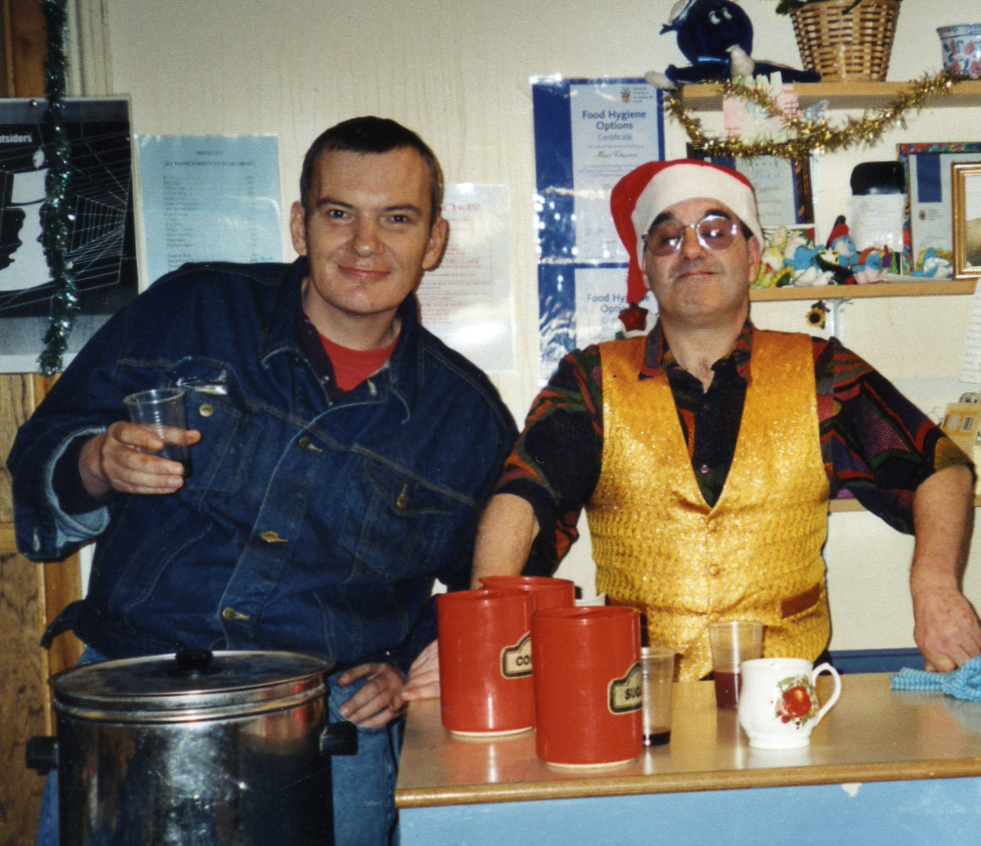
The move to 283 Broadway in May 1993 proved transformative. The building became a community hub, hosting the 283 Café Project alongside poetry performances and art groups, embedding creativity, expression, and social connection into mental health support. This period marked the transition from an emergent organisation to a visible, established presence within the borough.
Further consolidation followed. In 1994, financial support from Bexley Care Trust enabled Mind in Bexley to become a formal service provider, and a befriending scheme was established at the point of discharge from Bexley Hospital. In 1995, the organisation installed its first computer network, established an Information and Advice Service, and launched the Bexley Advocacy Project, strengthening its rights-based work at a time when advocacy was still developing nationally.
In 1996, Mind in Bexley volunteers ran the Centre Pieces Project at 283 Broadway. The project later moved to the Crayford Centre, where it continues to run, representing a lasting legacy of the organisation’s early commitment to creativity, participation, and community ownership.
By the end of its first decade, Mind in Bexley had grown from a small user support group into a trusted, community-embedded organisation with paid staff, a strong volunteer base, creative and peer-led services, advocacy and advice provision, and established partnerships with statutory bodies. Affiliated to National Mind yet shaped by local relationships and lived experience, the organisation had laid the cultural, ethical, and practical foundations for everything that followed. In many respects, Mind in Bexley was not simply responding to Care in the Community policy but actively compensating for its shortcomings, demonstrating how community mental health care could be built from the ground up.
The second decade (1999–2006):
Recovery, rights, evidence, and consolidation within an evolving mental health system
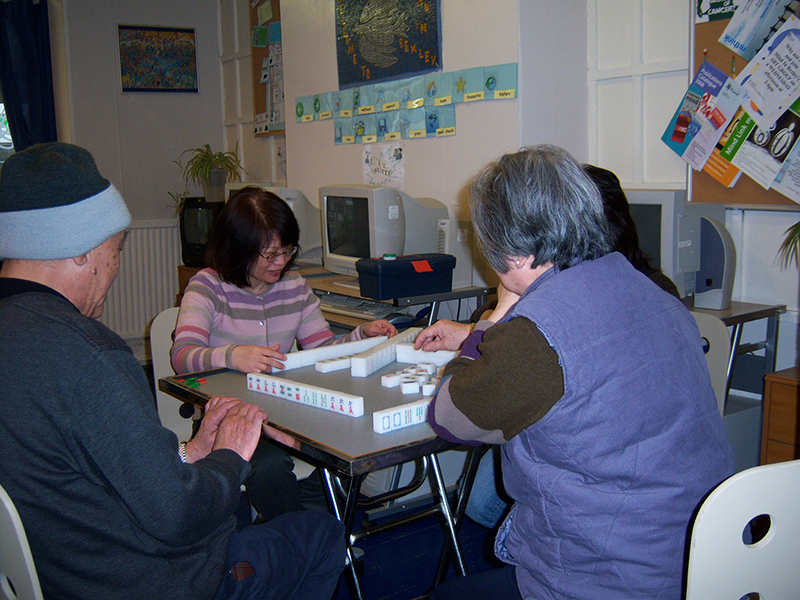
By the late 1990s, Mind in Bexley had moved beyond its formative years into a period of consolidation and growing influence. National mental health policy was also entering a new phase. Alongside the legacy of Care in the Community, there was increasing emphasis on quality assurance, partnership working, evidence-based practice, and service user involvement. The recovery movement was gaining traction, welfare reform was reshaping people’s lives, and voluntary sector organisations were increasingly recognised as essential delivery partners within local mental health systems. Mind in Bexley’s work during this period reflects these shifts, while remaining grounded in lived experience and community need.
In 1999, Mind in Bexley ran a seven-month listening project delivered by two counsellors and six trainees, offering fixed six-weekly sessions to service users. This project reflected growing recognition, both locally and nationally, of the importance of structured listening and talking interventions that were accessible outside of traditional clinical pathways. It also aligned with National Mind’s long-standing emphasis on the therapeutic value of being heard, particularly for people who did not meet thresholds for secondary mental health services.
That same year, the current Befriending Scheme was established, building on earlier discharge-focused befriending work and embedding it as a core, ongoing service. Befriending had become increasingly important within the context of social isolation, poverty, and the long-term consequences of deinstitutionalisation. A twice-weekly drop-in on the Larner Estate was also established, extending Mind in Bexley’s commitment to place-based, preventative support in areas of high need. Although the project was eventually forced to close, its existence reflected the organisation’s willingness to work within challenging environments and to respond flexibly to local circumstances.
Also in 1999, Mind in Bexley worked in partnership with Oxleas to produce the ‘Managing your mental health’ pack. This initiative aligned closely with national policy trends emphasising self-management, psychoeducation, and early intervention, anticipating later developments within Improving Access to Psychological Therapies (IAPT) and self-help frameworks.
In 2000, the Welfare Rights Service completed its first full year of operation, securing £43,000 in additional benefits for service users. This work reflected growing recognition, nationally and within National Mind, that poverty, debt, and insecure income were central determinants of mental distress. By embedding welfare rights within a mental health organisation, Mind in Bexley positioned social justice as a core component of mental health support rather than a peripheral concern.
The same year saw the establishment of the current Art Group at Mind in Bexley, alongside the launch of the ‘Living for One’ course. These initiatives reflected a continued commitment to creativity, self-expression, and personal development, reinforcing recovery as a process of rebuilding identity, meaning, and confidence rather than simply managing symptoms.
In 2001, Mind in Bexley developed formal Quality Assurance systems, reflecting increasing expectations placed on voluntary sector organisations as commissioned service providers. At a national level, this period saw growing emphasis on governance, accountability, and measurable outcomes, particularly for charities delivering publicly funded services. Mind in Bexley’s response demonstrated its ability to professionalise while retaining its values.
That year also marked a significant moment in local mental health history. As Bexley Hospital closed, advocacy services began visiting Woodlands, ensuring continuity of voice and representation during a period of transition. This work echoed National Mind’s ongoing concerns about hospital closures and the risks faced by people navigating change without adequate support.
In 2001, Mind in Bexley and the First Step Trust organised a user consultation event on World Mental Health Day in Bexleyheath. This event reflected growing national emphasis on service user involvement, consultation, and participation, and reinforced Mind in Bexley’s role as a convenor of lived experience within local mental health planning.
In 2002, Mind in Bexley was awarded the CLS Quality Mark for general help with casework in welfare benefits. This recognition validated the quality and impact of its rights-based work and strengthened its position as a trusted provider within the local advice and mental health landscape.
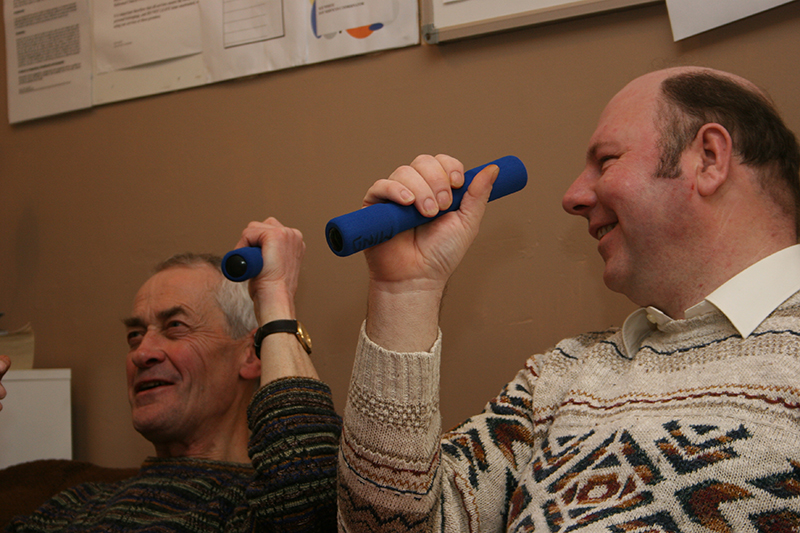
By 2004, Mind in Bexley achieved National Mind’s Quality Standards, marking a significant milestone in its development as an organisation operating to nationally recognised benchmarks. During the same period, Mind in Bexley produced a series of mental health information leaflets in partnership with Bexley Care Trust, reinforcing its role as a key local source of accessible, reliable information.
Public visibility and cultural engagement also increased. The BBC filmed an armchair aerobics session at Mind in Bexley premises, highlighting the organisation’s creative and inclusive approach to wellbeing. The Women’s Activity Morning was launched, responding to gendered experiences of mental health and social exclusion, and providing a dedicated space for connection, activity, and support.
In 2005, Mind in Bexley’s influence extended further into local strategic leadership. The organisation’s Director was appointed Chair of the Mental Health Partnership Group and elected Governor (Voluntary Sector) of Oxleas Mental Health Foundation Trust. These roles reflected the growing recognition of the voluntary sector, and of Mind in Bexley specifically, as a key voice within system-level decision-making.
In March 2005, Mind in Bexley was registered as a Limited Company, strengthening its governance and organisational resilience. The impact of the Welfare Rights Service also grew substantially, bringing in £351,119 in additional benefits for service users during 2004–05. This dramatic increase illustrated both rising need and the effectiveness of embedding welfare advice within mental health support.
That year also saw the production of a Mental Health Education Package for Charlton Athletic’s Kicking-On project, reflecting innovative partnership working and the use of sport and community engagement as vehicles for mental health education and inclusion.
In 2006, Mind in Bexley entered a new phase of evidence-informed practice and service design. In partnership with Bexley Care Trust and Oxleas NHS Foundation Trust, the organisation undertook an 18-month research study on self-help cognitive behavioural therapy. This work positioned Mind in Bexley at the forefront of early intervention and self-help research, aligning closely with emerging national interest in low-intensity psychological therapies.
The same year, a new-look Day Service was launched, explicitly based on the tenets of the Recovery Model. This reflected a major shift in national and international mental health thinking, moving away from maintenance and dependency towards hope, agency, and self-directed recovery. Mind in Bexley’s adoption of recovery principles demonstrated its responsiveness to both lived experience movements and evolving policy frameworks.
In 2006, Mind in Bexley celebrated 20 years of service to the local community, marking two decades of growth from a small user support group to a respected local mental health organisation. The scale of its impact was evident in the Welfare Rights Service securing £1,082,019 in additional benefits for service users that year alone. Health and Well Being Groups were established, alongside a Hospital Discharge Group, further strengthening preventative and transitional support within the local mental health system.
By the end of this second decade, Mind in Bexley had firmly established itself as a mature, influential organisation operating across service delivery, advocacy, research, education, and system leadership. Affiliated to National Mind yet deeply rooted in place, it had successfully navigated increasing professionalisation while retaining a strong commitment to lived experience, social justice, and community-based care. The years from 1999 to 2006 marked a period in which Mind in Bexley not only responded to national policy developments but actively shaped how recovery, rights, and partnership could be realised in practice at a local level.
The third decade
Recovery, voice, oral history, and the growth of place-based mental health care
By 2006, Mind in Bexley had entered a third phase of development characterised by expansion, diversification, and increasing strategic influence. National mental health policy was again shifting. Alongside the consolidation of recovery-oriented practice, there was growing emphasis on early intervention, personalisation, partnership with primary care, and recognition of the social determinants of mental health. Voluntary sector organisations were no longer viewed as peripheral to statutory provision, but as central partners in innovation, delivery, and system reform. Mind in Bexley’s work during this decade reflects these changes, while remaining rooted in lived experience, community relationships, and social justice.
In 2006, Mind in Bexley launched a redesigned Day Service grounded explicitly in the principles of the Recovery Model. Recovery was understood not as clinical cure, but as hope, agency, and the rebuilding of meaningful lives shaped by personal goals and social connection. This marked a clear shift away from maintenance-based models of support and aligned closely with national policy developments and National Mind’s emphasis on lived experience leadership. The same year, Mind in Bexley celebrated 20 years of service to the local community, with the scale of its impact evident in the Welfare Rights Service securing over £1 million in additional benefits for service users. Health and Wellbeing Groups and a Hospital Discharge Group were also established, strengthening preventative and transitional support.
In 2008, a new Chief Executive was appointed and an organisational review produced a strategic plan for 2008–12. This period reflected increasing national expectations around governance, outcomes, and evidence-informed practice. Mind in Bexley increasingly positioned itself not only as a service provider, but as a learning organisation, embedding evaluation, quality assurance, and reflective practice across its work.
From 2008 onwards, Mind in Bexley expanded its role within primary care and early intervention. In partnership with GP consortia, the organisation secured contracts to deliver guided self-help cognitive behavioural therapy for people experiencing mild to moderate depression. NHS Innovations funding supported the development of a Guided Self-Help CBT Toolkit, and Mind in Bexley was shortlisted for an NHS Innovations Award. These developments anticipated later expansions of IAPT and reflected growing recognition of low-intensity, community-delivered psychological support.
In 2009, Mind in Bexley established the Independent Mental Health Advocacy service in response to amendments to the Mental Health Act, embedding rights-based support within statutory mental health pathways. The same year saw the launch of the Being Well in Bexley IAPT service and the Mind2Mind peer mentoring project, funded by the Big Lottery. Peer support, long present in ethos and practice, was now explicitly resourced and structured, recognising lived experience as expertise rather than informal goodwill.
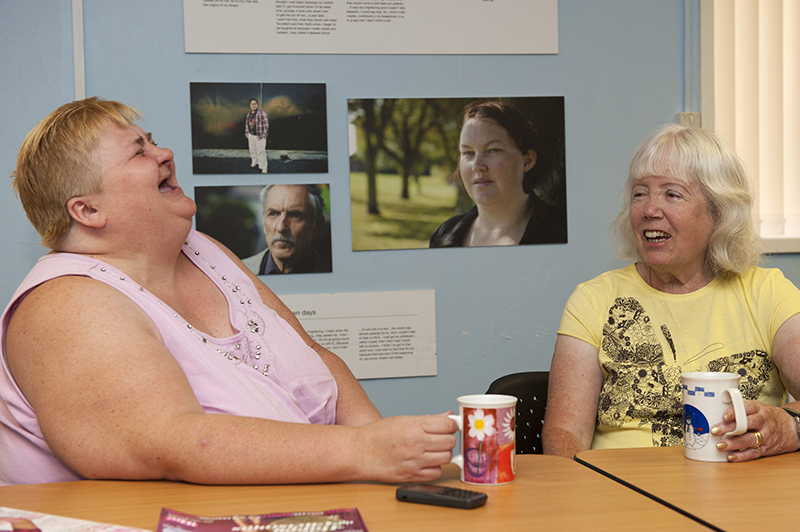
As the organisation approached its 25th anniversary, there was growing recognition that Mind in Bexley’s history could not be captured solely through services, funding, or policy milestones. Equally important were the experiences of those who had used, shaped, volunteered within, and worked alongside the organisation over time. In response, the People in Mind oral history project was developed as a participatory initiative that placed voice, memory, and narrative at the centre of understanding mental health and community care.
Through interviews with service users, carers, volunteers, and staff, the project documented how Mind in Bexley was experienced not as a single intervention, but as a constant presence across changing lives and systems. Many interviewees reflected on the importance of being listened to at moments when statutory services felt distant, fragmented, or overwhelming. People spoke of arriving anxious and unsure, and of finding spaces where they were not assessed or judged, but recognised as individuals with stories that mattered. Ordinary interactions were recalled as transformative: being offered a cup of tea, being remembered by name, being welcomed back after long absences.
Other narratives emphasised continuity across decades of policy change, hospital closures, and service redesign. Interviewees described services coming and going, names changing, and systems shifting, while Mind in Bexley remained somewhere they could return to without having to explain themselves from the beginning. For some, it was the only place where their experiences were held with consistency and care.
Carers’ narratives were particularly prominent within the project. They spoke of exhaustion, unequal responsibility, and the emotional labour of supporting family members with mental health difficulties, often alongside work and other caring roles. Many described the relief of encountering others who understood these pressures without explanation, and the significance of peer spaces where responsibility could be shared, even temporarily.
Volunteers and staff reflected on the organisation’s ethos and culture, often describing Mind in Bexley less as a workplace than as a collective endeavour shaped by relationships. They spoke of learning alongside people rather than managing them, and of a culture that prioritised listening, flexibility, and trust over rigid processes. These narratives revealed how organisational values were lived out in everyday practice rather than formal policy statements.
The People in Mind project culminated in public exhibitions and audio recordings, including a curated collection of interviews made publicly accessible through Mind’s SoundCloud archive. Marking the 25th anniversary, the project reframed celebration as an act of listening rather than retrospection, foregrounding the voices of those whose lives were intertwined with the organisation’s history. Importantly, the oral history work did not sit apart from service development. It informed later approaches to peer support, co-production, research, and evaluation, reinforcing the idea that lived experience constituted a form of knowledge in its own right.
Alongside this cultural and narrative work, Mind in Bexley continued to grow organisationally. In 2009, the organisation moved from 283 Broadway to Milton House, later expanding into additional premises as services diversified. Welfare Rights and Debt services expanded further, including the Beyond Red project, responding to increasing financial precarity following the 2008 financial crisis. Research on debt and mental health was published in Mental Health Today, reinforcing the organisation’s focus on structural determinants of distress.
The third decade
2010 onwards
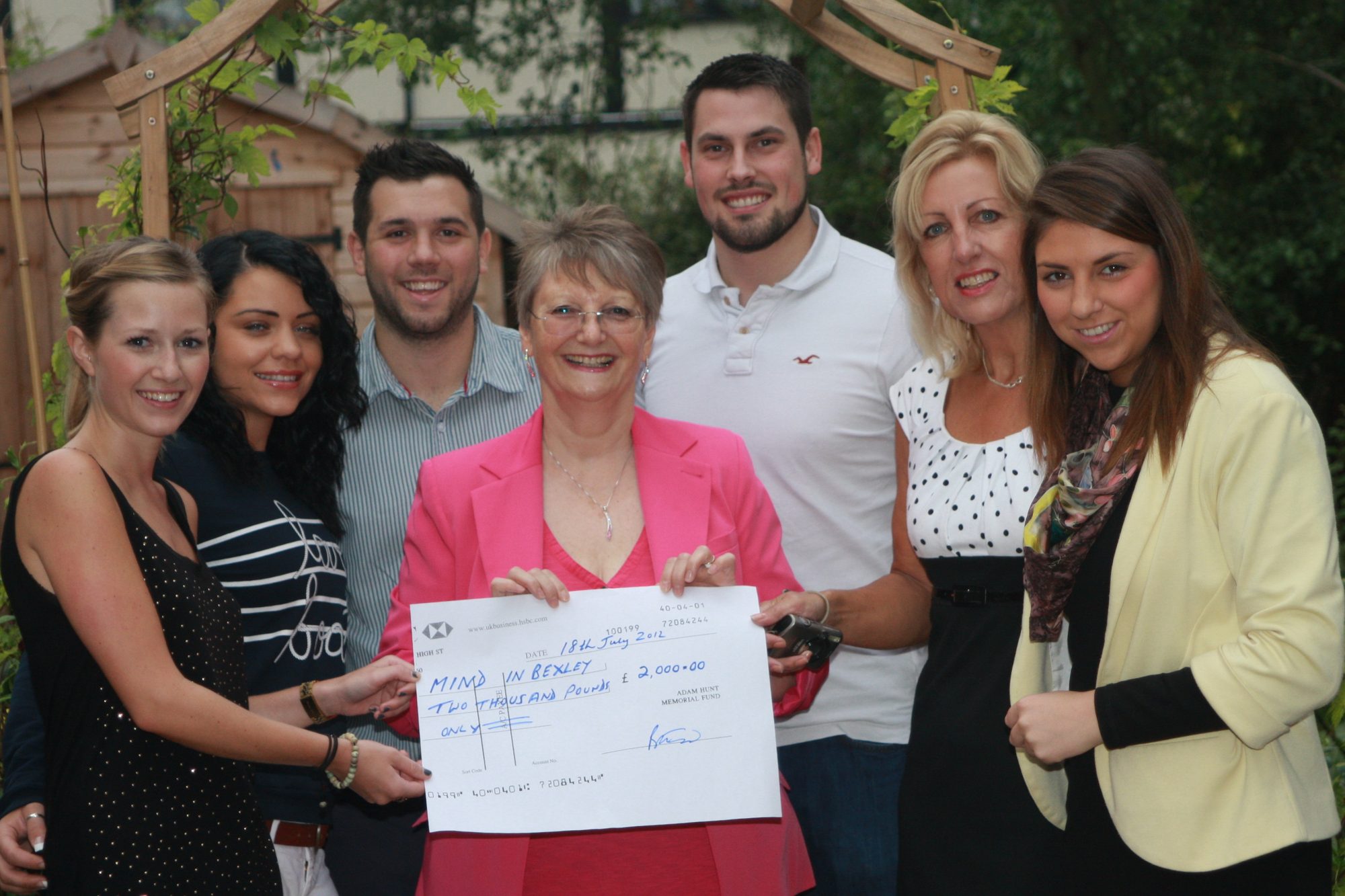
From 2010 onwards, Mind in Bexley increasingly aligned its work with national agendas around personalisation, social inclusion, and community cohesion. Sure Start funded CBT delivery and research in children’s centres, addressing maternal depression and anxiety. Eco-therapy and Open Spaces projects transformed derelict land into sensory gardens and allotments, reflecting growing interest in green space, environmental wellbeing, and collective care.
The early 2010’s also saw further consolidation of peer-led and community-based services. Carers in Mind was established as a dedicated carers’ support service. Recovery services evolved into Social Inclusion and Wellbeing provision, later influencing recovery college models. Mind Care was launched to deliver personalised, tailored support for people with severe and enduring mental illness and dual diagnosis, aligning with the national personalisation agenda.
By 2011, Mind in Bexley marked its 25th anniversary with services operating across advocacy, welfare rights, peer mentoring, carers support, IAPT, and community wellbeing. The organisation had reached a budget of £1 million and employed over 40 staff, while maintaining strong volunteer and peer involvement. National Mind Quality Standards at Level 2 were achieved, recognised by the Charity Commission.
Between 2012 and 2016, Mind in Bexley increasingly developed place-based, preventative models of care. Social prescribing initiatives were established, alongside money management services and health-focused programmes such as Finding Healthy Me and BEAT peer support for people at risk of Type 2 diabetes. Research and evaluation remained central, including studies on domiciliary care, social prescribing, and carers’ experiences, often accompanied by exhibitions and public engagement that brought research findings into community life.
A defining moment came in 2016 with the decision to open Revival, a social enterprise community music cafe. Revival represented the culmination of three decades of learning: a non-clinical, cultural, relational space grounded in belonging, creativity, and mutual care. At a time when national policy increasingly recognised prevention, community resilience, and the limits of clinical intervention alone, Revival embodied an alternative mental health infrastructure rooted in everyday social life.
By the end of this third decade, Mind in Bexley had evolved into a complex, multi-faceted organisation operating across statutory partnership, voluntary sector innovation, research, advocacy, oral history, and social enterprise. Affiliated to National Mind yet deeply shaped by local history and relationships, it had moved beyond service delivery to become a key part of the mental health ecosystem in Bexley. The years from 2006 to 2016 marked a shift from consolidation to transformation, laying the foundations for regional expansion, crisis provision, and the integrated, place-based models that would define the organisation’s work in the years that followed.